Echoes of Trauma: Understanding Psychological Trauma as Neural Dysregulation: Implications for AI-Supported, Human-Centered Medicine
Abstract
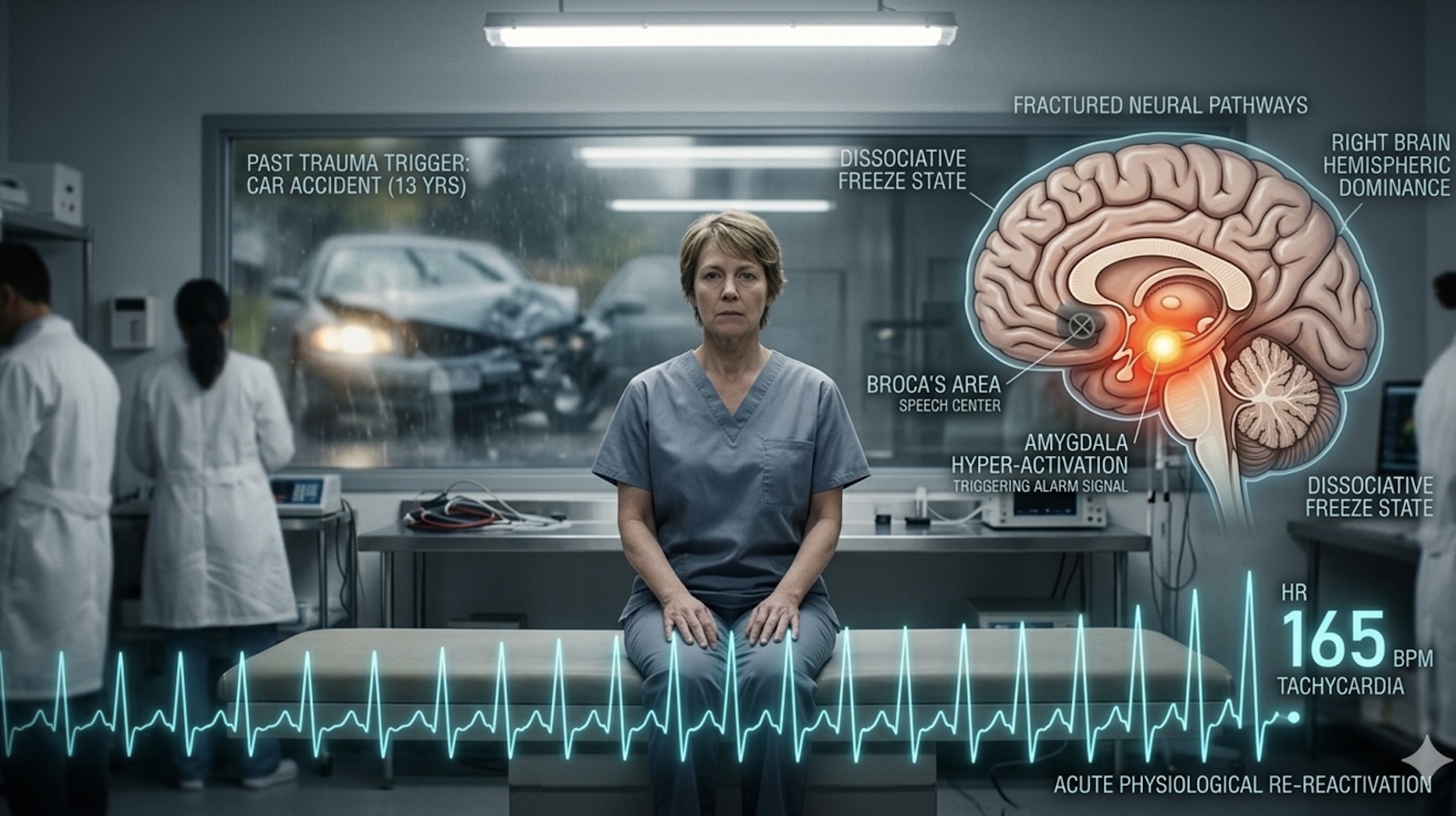
Psychological trauma has long been misunderstood as primarily a disorder of memory and emotional coping. Contemporary neuroscience reveals a more complex reality: trauma reorganizes the neural and physiological systems responsible for threat detection, memory processing, emotional regulation, and survival. This paper examines how trauma disrupts three core neural structures: the amygdala, which becomes hyperactivated and chronically vigilant; the hippocampus, whose stress sensitivity impairs the contextualization of memory; and the prefrontal cortex, whose reduced regulatory capacity allows fear responses to persist indefinitely. Beyond the brain, dysregulation of the hypothalamic-pituitary-adrenal axis and autonomic nervous system produces a body organized around survival rather than safety. The critical insight is that these neural and physiological changes follow systematic, recurring patterns. This pattern-based understanding of trauma creates a direct conceptual alignment with artificial intelligence: machine learning and deep learning systems are fundamentally designed to detect complex regularities within high-dimensional neurobiological data.
Drawing on research in PTSD neurobiology, functional and structural magnetic resonance imaging, electroencephalography, magnetoencephalography, and multimodal AI diagnostic models, this paper evaluates both the promise and the substantive limitations of AI-assisted neuroimaging in trauma research and clinical practice. The paper argues that artificial intelligence may support earlier identification, risk stratification, and personalized treatment planning. However, responsible implementation requires rigorous attention to algorithmic interpretability, demographic equity in training data, privacy protections that honor patient autonomy, and human-centered clinical oversight. Ultimately, AI should augment rather than replace the survivor’s narrative or the clinician’s judgment. Its value lies in providing objective, biologically grounded information that enables trauma-informed medicine to recognize and validate patterns of suffering that individuals often struggle to articulate or medical systems fail to see.
Keywords: psychological trauma, PTSD, neuroimaging, artificial intelligence, machine learning, amygdala, hippocampus, prefrontal cortex
Introduction
Psychological trauma is among the most consequential and frequently misunderstood phenomena in clinical medicine. For much of the twentieth century, trauma was treated primarily as a disorder of conscious memory and emotional coping. That framework was not entirely wrong, but it was scientifically incomplete because it could not fully explain why survivors’ bodies continue to respond to danger long after the original threat has passed. Contemporary neuroscience has fundamentally revised this picture.
As Bessel van der Kolk argues throughout “The Body Keeps the Score,” psychological trauma is not stored in conscious narrative memory alone but also in the physiological architecture of the nervous system: in the hyperactivated alarm circuits of the amygdala, the fragmented memory traces of the hippocampus, the weakened regulatory capacity of the prefrontal cortex, and the chronically dysregulated stress systems of a body that has not returned fully to safety (van der Kolk, 2015, pp. 21, 54, 67).
This reconceptualization carries a critical scientific implication: if trauma is expressed through systematic, recurring patterns of neural dysregulation, then computational tools designed to detect patterns in complex biological data may have a direct role to play in its identification.
Jia et al. (2024) framed this need directly, noting that “finding objective indicators that are helpful for diagnosis has always been a challenge in clinical practice and academic research” (para. 1). Their systematic review also argues that neuroimaging is useful for discovering PTSD biomarkers because MRI-based approaches can reveal brain function, structure, and connectivity (Jia et al., 2024).
This does not mean that trauma can be reduced to an image or an algorithm. Rather, it means that the biological traces of trauma may be studied in ways that supplement clinical judgment with objective data.
The central research question guiding this directed study is: How does psychological trauma alter neural regulation, particularly within the amygdala, hippocampus, and prefrontal cortex, and how might AI-based neuroimaging analysis help clinicians identify trauma-related neural patterns while preserving human-centered care?
This paper proceeds through four interconnected arguments. First, it establishes the neurobiological effects of trauma on specific brain structures and the body’s stress systems. Second, it reframes trauma as a pattern-based disorder of neural regulation, creating the conceptual bridge between trauma neuroscience and AI. Third, it analyzes the current state of AI and neuroimaging research in trauma detection. Fourth, it evaluates realistic clinical implementations and the ethical conditions necessary for responsible deployment.
The thesis is that psychological trauma produces measurable, recurring alterations in neural regulation, and that emerging AI-based neuroimaging analysis offers scientifically grounded tools for identifying these patterns within a human-centered medical framework.
The Amygdala: An Evolutionary Alarm System Recalibrated by Threat
The amygdala is a bilateral structure embedded in the medial temporal lobe and is central to rapid threat detection and fear conditioning. From an evolutionary standpoint, it mobilizes the organism for defense faster than conscious thought allows.
When a cue associated with danger is detected, whether a sound, smell, face, or environmental context, the amygdala can activate the sympathetic nervous system before the prefrontal cortex has evaluated the actual threat level.
In ordinary conditions, this architecture is adaptive. In the context of psychological trauma, it becomes a liability because the alarm system becomes recalibrated toward chronic vigilance (van der Kolk, 2015, p. 60).
Van der Kolk’s description of the traumatized amygdala as a smoke detector stuck in the “on” position captures the lived experience of hypervigilance, but this hyperreactivity is not merely metaphorical (van der Kolk, 2015, p. 61).
Bremner’s (2006) review reports that studies of traumatic reminder exposure have found “increased function in [the] amygdala” alongside reduced activity in regulatory regions (p. 450). The clinical consequences are persistent hypervigilance, exaggerated startle responses, intrusive re-experiencing, and difficulty distinguishing past danger from present safety.
Because the amygdala communicates with both the hippocampus and the prefrontal cortex, its hyperactivation does not remain isolated within a single region. It disrupts the broader regulatory architecture that normally allows the brain to modulate emotional response.
The Hippocampus: When Memory Cannot Locate the Past
The hippocampus is responsible for consolidating episodic memory and placing experience in time and context. In trauma recovery, this function is clinically essential because the survivor must be able to recognize that the traumatic event belongs to the past rather than the present. When hippocampal functioning is disrupted, traumatic memory may lose its temporal boundaries, making a past event feel physiologically immediate.
Bremner (2006) explains that “the hippocampus, a brain area involved in verbal declarative memory, is very sensitive to the effects of stress” (p. 447). He further reports that stress is associated with hippocampal injury through mechanisms including “hypercortisolemia, decreased brain-derived neurotrophic factor (BDNF), and/or elevated glutamate levels” as well as the “inhibition of neurogenesis” (Bremner, 2006, p. 447).
These findings matter because they connect trauma-related memory disturbance to biological change rather than psychological weakness. If the hippocampus is one of the brain structures that helps organize memory into a coherent sequence, then stress-related disruption in this region can help explain why traumatic memories often return as fragments, sensations, and emotional states rather than as ordinary recollections.
This evidence provides a biological foundation for what trauma survivors often describe: memories that do not feel like memories, but like experiences happening again. Van der Kolk argues that traumatic memory is stored not only as a coherent narrative but also as sensory fragments, emotional states, and bodily responses that can be triggered by present cues (van der Kolk, 2015, p. 67).
In this framework, the phrase “the past is present” is not poetic exaggeration but a neurological description. If the hippocampus cannot fully contextualize the traumatic event as past, then narrating the event alone may not be enough to restore a sense of safety. Effective trauma treatment must therefore engage not only conscious cognition but also the body and lower-brain systems that continue to organize experience around survival (van der Kolk, 2015, pp. 205–207).
The Prefrontal Cortex: The Regulatory Governor Under Siege
The prefrontal cortex, particularly its medial and ventromedial regions, ordinarily exerts top-down inhibitory control over the amygdala. It supports rational decision-making, impulse control, emotional regulation, and extinction of conditioned fear responses. Bremner (2006) describes this relationship clearly: “the medial prefrontal cortex modulates emotional responsiveness through inhibition of amygdala function” (p. 450).
When the prefrontal cortex and amygdala function in balance, perceived threats can be evaluated in context, and the fear response can be reduced once the threat has passed. Trauma disrupts this balance at multiple levels.
Functional neuroimaging studies consistently show reduced prefrontal activation and altered amygdala-prefrontal interaction in PTSD. Bremner (2006) reports that traumatic reminder exposure was associated with “decreased blood flow, and/or failure of activation in the medial prefrontal cortex/anterior cingulate” while also showing increased amygdala function (p. 450).
The clinical outcome is a self-reinforcing cycle: reduced prefrontal regulation allows amygdala hyperactivation to continue unchecked, while continued stress activation further hinders regulatory control.
What appears externally as impulsivity, avoidance, or emotional dysregulation can therefore be understood as the lived experience of a regulatory system overpowered by an alarm it cannot silence.
The Body as the Archive: Stress Hormones and Somatic Dysregulation
Van der Kolk’s central argument in “The Body Keeps the Score” is that the body is not merely a vehicle for traumatic memory but a primary archive in which trauma is stored (van der Kolk, 2015, p. 54). The hypothalamic-pituitary-adrenal (HPA) axis, the body’s principal hormonal stress-response system, is designed to mobilize the body when under threat and return it to baseline once the threat has passed.
Bremner (2006) explains that the HPA axis and norepinephrine systems are central to traumatic stress and that early stressors can produce lasting changes in glucocorticoid and norepinephrine responses (p. 446). In PTSD, this system can become chronically dysregulated rather than returning flexibly to safety.
The autonomic nervous system is equally important. Porges (2009) describes the autonomic nervous system as “influenced by the central nervous system” and “sensitive to afferent influences” (p. S86). His polyvagal framework emphasizes that bodily states are not separate from social and emotional experience.
In trauma, disruptions in autonomic flexibility may appear through reduced heart rate variability, chronic muscle tension, altered breathing, and persistent defensive arousal. This body-wide dimension matters for AI because trauma does not reorganize only a single brain region. It creates a distributed pattern across neural, hormonal, and autonomic systems.
Hossain and Ara (2025) similarly emphasize that multimodal frameworks integrating imaging, heart rate variability, and cortisol can improve early detection of PTSD (p. 1).
From Neural Disruption to Recurring Patterns: The Bridge to Artificial Intelligence
The neurobiological changes produced by trauma share a structural feature that is both clinically important and technologically significant: they are systematic and recurring rather than random.
The amygdala does not hyperactivate without pattern; it responds to sensory and contextual cues that the brain has learned to associate with threat.
Hippocampal disruption does not simply produce random memory errors; it produces consistent fragmentation along trauma-relevant dimensions. Prefrontal suppression follows predictable circuits of failed regulation.
These patterns are not coincidental. They represent a nervous system reorganized through the same learning mechanisms that normally allow the brain to adapt to its environment.
This structured nature of trauma creates a conceptual bridge to artificial intelligence. Machine learning systems excel precisely where trauma’s signature is most evident: identifying regularities in complex, high-dimensional data that would exceed human capacity to evaluate manually.
A clinician reviewing neuroimaging cannot simultaneously assess thousands of voxels, oscillatory features, and functional connectivity patterns across multiple brain networks; a trained model can statistically search for those relationships.
As Advanced Neuroimaging and Artificial Intelligence (2025) explains, “Artificial intelligence (AI), particularly machine learning (ML) and deep learning (DL), has emerged as a powerful tool for addressing these challenges. AI algorithms can automatically analyze vast amounts of neuroimaging data, identify patterns and features that may be imperceptible to the human eye, and generate predictive models for disease diagnosis, prognosis, and treatment response” (Introduction section).
In trauma research, this alignment matters fundamentally: AI is not being grafted onto the field as a technological trend but is applied because trauma itself leaves patterned biological traces that machines are designed to detect.
Jia et al. (2024) ground this connection in clinical reality, concluding that machine learning techniques may provide “effective and non-invasive support for early identification and detection” of PTSD (Conclusion section). Yet this support should not be understood as a replacement of the survivor’s testimony or the clinician’s judgment. Rather, AI-supported neuroimaging may offer clinicians additional biological information when symptoms emerge slowly, manifest in complex ways, or resist verbalization.
In this frame, the value of AI becomes clear: it does not make trauma care less human, but it may enable clinicians to recognize patterns of biological suffering that otherwise remain invisible.
Artificial Intelligence and Neuroimaging in Trauma Research: Current Evidence fMRI and Machine Learning: Mapping the Neural Signatures of Trauma
Functional MRI has been one of the dominant modalities in AI-based PTSD classification research because it can detect large-scale network connectivity disruptions that correspond to trauma-related dysregulation.
Jia et al. (2024) reviewed machine learning applications using MRI neuroimaging data and found that all included machine learning techniques achieved diagnostic accuracy above 70%. Their review also identified significant neurobiological differences in regions such as the insula and amygdala, supporting the idea that PTSD classification depends not on one isolated region but on distributed neural patterns.
Portugal et al. (2023) extended this work by applying multivariate pattern recognition to fMRI data collected while trauma-exposed participants viewed aversive images in real and safe contexts. They aimed to predict symptom severity rather than simply classify patients as having or not having PTSD. The authors state that “the adopted strategy can potentially identify brain biomarkers for PTSD” (Portugal et al., 2023, p. 3).
This approach is important because trauma symptoms exist across degrees of severity. A dimensional model can therefore provide more clinically useful information than a simple yes-or-no classification.
Portugal et al. (2023) found that their model could predict PTSD symptoms from brain responses in the more aversive real context, and they concluded that alterations in regions involved in defensive reactions “may serve as a biomarker for PTSD symptoms at the individual level” (p. 10).
This finding expands the neurobiology of trauma beyond the limbic-prefrontal model alone. It suggests that trauma-related signatures may also involve visual, parietal, somatosensory, and defensive-response networks. In other words, trauma is not only remembered by the brain; the body prepares for it.
At the broadest scale, the comprehensive systematic review and meta-analysis by Hossain and Ara, synthesizing 124 peer-reviewed studies published between 2010 and 2025, provides the most complete current portrait of AI-based neurobiological PTSD diagnostics. Among the 59 neuroimaging studies included, classification accuracies ranged from 78 to 93 percent, with a mean area-under-the-curve (AUC) value of 0.85 (Hossain and Ara, 2025, p. 26).
Deep learning architectures, particularly convolutional neural networks applied to high-resolution imaging datasets, demonstrated the highest predictive performance with accuracies exceeding 90 percent in certain studies (Hossain and Ara, 2025, p. 26).
Multimodal frameworks combining fMRI with HRV and cortisol measurements yielded the highest sensitivity for early detection of subthreshold PTSD, reaching up to 91 percent accuracy and outperforming single-modality approaches by an average AUC improvement of 0.07 to 0.12 (Hossain and Ara, 2025, p. 27).
EEG and MEG: High-Temporal Resolution and the Oscillatory Fingerprint of Trauma
Electroencephalography offers a complementary perspective to fMRI because it captures the brain’s dynamic, time-varying electrical activity. Park et al. (2021) applied machine learning to resting-state quantitative EEG data from 945 subjects using power spectral density and functional connectivity features.
Their results showed strong performance for trauma and stress-related disorders, with beta-band features particularly important. They reported that “the maximum accuracy reached a fairly good level in that the accuracy for PTSD was 95.38 +/- 4.90%” (Park et al., 2021, p. 6).
The significance of this result is not only the numerical accuracy. It suggests that PTSD may have an oscillatory signature detectable through resting-state brain activity. Park et al. (2021) conclude that “EEG ML is a promising approach for the classification of psychiatric disorders” and that it has the potential to support evidence-based clinical decisions (p. 9). Because EEG is less expensive and more accessible than fMRI, this modality may eventually support trauma screening in settings where advanced imaging is unavailable.
Magnetoencephalography offers another high-temporal-resolution approach. Zhang et al. (2020) used MEG connectome data and machine learning to distinguish combat-related PTSD from trauma-exposed controls.
Their study begins from an important clinical limitation: “Given the subjective nature of conventional diagnostic methods for post-traumatic stress disorder (PTSD), an objectively measurable biomarker is highly desirable” (Zhang et al., 2020, p. 1). Their final support vector machine models showed excellent performance, with AUC values up to 0.9 (Zhang et al., 2020, p. 1).
The design of Zhang et al.’s study is especially important because the comparison group was also heavily traumatized. The model therefore had to distinguish PTSD from trauma exposure itself, not simply compare traumatized individuals with healthy controls.
Zhang et al. (2020) state that their machine learning analysis identified “biologically relevant features that could serve as potential PTSD signatures” (p. 8). This directly supports the paper’s central argument that trauma produces recognizable biological patterns that AI can help detect.
Explainable AI: Validating the Science Through the Algorithm
A critical challenge in applying artificial intelligence to clinical medicine is interpretability. Many deep learning systems are computationally powerful but difficult to explain. A model that provides a prediction without showing its basis cannot easily be integrated into trauma-informed care.
The challenge of black box models in artificial intelligence is not a minor concern. According to neuroimaging research, “Many deep learning algorithms are ‘black boxes,’ and that this lack of explainability is a major limitation in clinical settings because clinicians need to understand the reasoning behind AI-based diagnoses and recommendations” (Advanced Neuroimaging and Artificial Intelligence, 2025).
This interpretability problem extends beyond simple technical limitations. The inability to understand how an algorithm arrives at its conclusions represents a fundamental barrier to clinical adoption in psychiatry, where understanding the mechanism behind a diagnosis is essential for patient care and clinician confidence.
Explainable AI methods such as SHAP, LIME, and Grad-CAM attempt to address this interpretability problem directly. These techniques represent a significant advancement in making machine learning systems transparent and trustworthy in medical contexts.
Arrieta et al. argue that “Explainable Artificial Intelligence is a necessary framework that bridges the gap between computational power and clinical interpretability, offering pathways toward responsible AI implementation in healthcare” (Arrieta et al., 2020, p. 82). The emphasis on explainability reflects a broader recognition in the field that technical accuracy alone is insufficient for clinical translation.
Hossain and Ara (2025) demonstrate that “these techniques enhanced interpretability by linking algorithmic predictions to biologically meaningful patterns of neural and physiological dysregulation” (p. 1). This approach to explainability is especially important in PTSD research because the most clinically trustworthy model is not simply the most accurate model. Rather, it is the model whose decisions align with established neuroscience and whose reasoning can be understood by clinicians and patients alike.
When explainable models identify the amygdala, hippocampus, medial prefrontal cortex, salience network, heart rate variability, and cortisol variability as influential features, they do more than produce statistical results. They converge with decades of trauma neuroscience research.
That convergence matters because it helps demonstrate that the algorithm has not found a random shortcut in the data. Instead, it appears to be detecting the same brain-body dysregulation that researchers and clinicians have identified through independent methods.
This alignment between algorithmic findings and established neuroscience provides important validation that the machine learning system is capturing genuine neurobiological patterns rather than statistical artifacts or spurious correlations in the data.
The convergence of AI findings with existing knowledge from brain imaging studies, neurochemical research, and clinical observation strengthens confidence that the algorithm is working on meaningful biological principles.
Current Research Status: Between Promise and Clinical Translation
A clear understanding of the current state of artificial intelligence in trauma research is essential for evaluating both the promise and the limitations of these emerging technologies.
AI-assisted neuroimaging analysis for PTSD is not yet routinely deployed in hospitals or psychiatric practices despite significant advances in algorithmic accuracy and computational methods. The research base is promising, yet several barriers remain that prevent widespread clinical adoption.
Hossain and Ara (2025) acknowledge these barriers directly, noting that “significant limitations were noted, including small sample sizes, heterogeneous diagnostic criteria, and limited external validation, which collectively constrain generalizability and clinical translation” (p. 1).
These are not minor obstacles but rather fundamental issues that determine whether research findings can be translated into practical clinical tools.
Their systematic review further reveals important methodological distinctions, noting that studies incorporating external validation yielded lower but more generalizable results than internal validation alone, suggesting that internally validated models often overestimate their real-world performance (Hossain & Ara, 2025).
This finding underscores a critical pattern in machine learning research: models perform significantly better on the data they were trained on than on completely independent datasets.
These limitations are not minor technical details that can be easily resolved through continued development. Rather, they determine whether AI tools can be responsibly translated from research settings into clinical care where they will impact real patients.
Models trained on small or narrow samples may perform well in the original dataset while failing to generalize to new populations. This generalization problem is a fundamental concern in machine learning and is especially important for clinical applications.
Advanced Neuroimaging and Artificial Intelligence (2025) explains that “AI models trained on data from one population may not generalize well to other populations” (Accuracy and Generalizability section). For trauma research, this generalization problem is particularly important because trauma survivors differ significantly by age, gender, culture, race, type of trauma, chronicity, and comorbid conditions.
The heterogeneity of the trauma population means that a model trained on one specific group may not perform equally well across the diversity of individuals who need diagnostic and treatment support.
The existing literature remains disproportionately shaped by adult, Western, and military samples, reflecting historical patterns in psychiatric and neuroscience research.
This sampling bias matters significantly because a model trained primarily on male combat veterans may not detect the neural signatures of childhood abuse, domestic violence, medical trauma, displacement, or complex trauma with equal accuracy.
Different types of trauma may produce different neurobiological signatures, and the specific characteristics of military trauma may not be representative of civilian trauma exposure. Additionally, cultural differences in symptom expression, trauma processing, and neurobiological responses to stress could affect model performance across diverse populations.
Responsible clinical translation therefore requires large multisite datasets, standardized imaging protocols, external validation, and fairness audits that specifically examine model performance across different demographic groups and trauma types.
Without these safeguards, artificial intelligence may reproduce the very exclusions that trauma-informed medicine should challenge and actively work to overcome.
Clinical Implementation and Ethical Considerations
The most important conceptual distinction in clinical translation is the difference between replacement and augmentation. This distinction defines how AI should be understood within the clinical context and shapes appropriate implementation strategies.
AI systems should not diagnose PTSD from a brain scan in the absence of a clinician. Instead, they should provide clinicians with additional objective information that can support clinical reasoning and decision-making.
Trauma care is fundamentally relational, and the therapeutic relationship remains a mechanism of healing that no computational system can replicate. AI can contribute to trauma medicine only if it strengthens rather than displaces human-centered care. The role of artificial intelligence should be to enhance clinician capacity and provide additional information, not to replace clinical judgment or reduce the importance of the therapeutic relationship.
The most compelling clinical application is early detection. Many individuals who experience trauma do not immediately develop PTSD, and others may not recognize their symptoms as trauma-related. Some survivors may also lack the safety, trust, or language needed to describe their symptoms clearly.
Jia et al. (2024) explain, “Considering the stigma associated with the diagnosis of specific groups or the difficulty of patients to express their symptoms, accurate diagnosis may be challenging” (p. 2). In these cases, AI-assisted analysis of neuroimaging, EEG, or physiological data may help identify elevated risk before symptoms become chronic.
Jia et al. (2024) conclude, “In contrast to any currently available assessment and clinical diagnosis, ML techniques can be used as an effective and non-invasive support for early identification and detection of patients as well as for early screening of high-risk populations” (p. 7). The goal is not to label survivors prematurely, but to make earlier care possible during a period when intervention may be most effective.
Personalized treatment planning represents a second realistic and important application of neurobiologically informed AI. Different individuals with PTSD present with different patterns of neural and physiological dysregulation, and these different patterns may require different treatment approaches.
Van der Kolk (2015) emphasizes that trauma treatment must address the specific ways trauma is held in the brain and body, rather than relying on a single uniform approach for all survivors.
A patient whose dominant pattern is amygdala hyperactivation may require a different treatment emphasis than a patient with strong dissociation, severe hippocampal-contextual disruption, or pronounced autonomic dysregulation. Some patients may benefit most from interventions targeting emotional reactivity, while others may need approaches that address memory fragmentation or autonomic dysregulation.
AI-generated reports, especially when explainable, could help clinicians select interventions based on the patient’s biological profile rather than relying exclusively on symptom checklists and trial-and-error treatment selection that may delay effective care.
Ethical implementation must also prioritize privacy and data protection. Neurobiological data are deeply personal because brain imaging and physiological measurements can reveal information about mental health, vulnerability, and risk beyond trauma diagnosis.
Patients must know how their data will be stored, who can access it, and whether it could be used beyond direct clinical care.
SAMHSA explains that trauma-informed systems require transparency, stating that “organizational operations and decisions are conducted with transparency with the goal of building and maintaining trust with clients and family members” (Substance Abuse and Mental Health Services Administration [SAMHSA], 2014, p. 11).
In AI-supported trauma care, this means privacy, consent, and patient control are not optional; they are central to preventing harm and maintaining trust.
Bias represents another central ethical concern that demands careful attention. If training data are demographically narrow, the model may fail in populations that most need support, potentially widening disparities in mental health care.
Models trained primarily on one demographic group may not perform equally well for other groups, leading to missed diagnoses and delayed treatment for vulnerable populations.
Hossain and Ara argue that future research must emphasize diverse sampling and ethical governance frameworks that ensure AI models perform equitably across all populations, with particular attention to populations historically underrepresented in psychiatric research. This requirement is not optional or something that can be addressed in future iterations.
A model that performs well for one population while under-identifying PTSD in women, children, immigrants, ethnic minorities, or survivors of non-combat trauma would not represent progress in trauma care. It would reproduce inequity in a more technological form, using the appearance of objective science to mask systematic exclusion and undertreatment of marginalized groups.
Conclusion
This paper has argued that psychological trauma is a neurobiological condition whose effects are measurable, systematic, and expressed in the recurring language of neural patterns. The hyperactivation of the amygdala, the structural and functional disruption of the hippocampus, the suppression of the prefrontal cortex, and the dysregulation of the hypothalamic-pituitary-adrenal axis collectively produce a brain and body organized around survival rather than living.
Van der Kolk’s foundational insight, that “the body keeps the score,” is not only a clinical observation but a neurobiological argument: trauma is archived in physiology, and reading that archive requires tools capable of working at the physiological level. The case for applying artificial intelligence to that task is grounded in a precise conceptual alignment. Machine learning systems are pattern-recognition engines, and trauma leaves patterns. Resting-state fMRI consistently reveals reduced connectivity between the medial prefrontal cortex and the amygdala, default mode network disruption, and salience network hyperconnectivity across independent PTSD populations (Jia et al., 2024; Hossain & Ara, 2025).
These are not subtle or idiosyncratic findings. They are large-scale reorganizations of neural communication replicated across dozens of studies, and they are exactly the kind of high-dimensional regularity that AI systems are built to detect. Park et al. achieved 95.38 percent classification accuracy for PTSD from resting-state electroencephalography beta-band features alone. Zhang et al. achieved area-under-the-curve values of 0.9 using magnetoencephalography connectome data, even against a heavily traumatized control group. The Hossain and Ara meta-analysis, drawing on 124 studies, documented a mean area-under-the-curve of 0.85 across neuroimaging research and found that multimodal frameworks reached 91 percent accuracy for subthreshold PTSD detection. These are meaningful numbers, and they describe a research field that has moved well past proof of concept.
What remains is the harder work of translation. Most of the findings reviewed here are not yet deployed in clinical settings, and the barriers that remain, including small and demographically non-representative training datasets, limited external validation, and the absence of standardized clinical protocols, are not merely technical problems but ethical ones. A model that fails to detect PTSD in women, children, or survivors of non-combat trauma because it was trained predominantly on white male combat veterans does not represent progress in trauma care. It reproduces the same patterns of exclusion that have historically left the most vulnerable populations without adequate support (Hossain & Ara, 2025).
Advancing this field responsibly means investing in diverse datasets, demanding fairness audits as a condition of clinical deployment, and building the governance frameworks that give patients meaningful control over their neurobiological data. Above all, it means keeping the therapeutic relationship at the center of trauma care. Van der Kolk’s work repeatedly emphasizes that trauma affects a person’s relationship with safety, the body, and other people (van der Kolk, 2015). No algorithm can provide the experience of being witnessed, understood, and cared for by another human being.
What artificial intelligence can provide is something more limited but genuinely valuable: objective, biologically grounded information that helps clinicians understand what is happening in a patient’s nervous system, communicate it in terms that are destigmatizing and empowering, and select the treatment approaches most likely to reach the specific neural and physiological systems that trauma has disrupted. Being told that one’s hypervigilance reflects an amygdala recalibrated by repeated trauma, rather than a personal failure of self-control, can be the difference between shame and comprehension, between resistance and engagement with treatment.
This directed study has been an exercise in understanding the world I am preparing to enter. The neuroscience of trauma and the computational tools emerging to analyze it are not separate fields converging by coincidence. They are responding to the same underlying reality: that human suffering leaves physical traces and that medicine’s obligation is to read those traces as carefully and as completely as possible. The body and the brain keep the score. The task ahead–for researchers, clinicians, and the institutions that support them–is to ensure that reading that score serves not only scientific knowledge but the full humanity of the people who carry it.
Acknowledgments
I would like to thank my directed study mentor, Dr. Gregory Karapetian, for his guidance and encouragement throughout this project. I am also grateful to Chardin Claybourne, Director of the Henry Ford II Honors Program, for supporting this directed study and fostering opportunities for student research. This project has deepened my interest in neuroscience, trauma, artificial intelligence, and human-centered medicine.
References
Advanced neuroimaging and artificial intelligence: A synergistic approach to neurological understanding and clinical application. (2025, March 12). MedTechNews. https://medtechnews.uk/research-reports/advanced-neuroimaging-and-artifi...
Arrieta, A. B., Díaz-Rodríguez, N., Del Ser, J., Bennetot, A., Tabik, S., Barbado, A., García, S., Gil-López, S., Molina, D., Benjamins, R., Chatila, R., & Herrera, F. (2020). Explainable artificial intelligence (XAI): Concepts, taxonomies, opportunities and challenges toward responsible AI. Information Fusion, 58, 82–115. https://doi.org/10.1016/j.inffus.2019.12.012
Bremner, J. D. (2006). Traumatic stress: Effects on the brain. Dialogues in Clinical Neuroscience, 8(4), 445–461. https://doi.org/10.31887/DCNS.2006.8.4/jbremner
Hossain, M. A., & Ara, S. (2025). AI-enabled neurobiological diagnostic models for early detection of PTSD and trauma disorders. American Journal of Interdisciplinary Studies, 6(2), 1–39. https://doi.org/10.63125/64hftc92
Jia, Y. L., Zhang, X. Y., Jiang, W. Y., Chen, Y. H., & Chen, N. (2024). Application of machine learning techniques in the diagnostic approach of PTSD using MRI neuroimaging data: A systematic review. Heliyon, 10(7), e28559. https://doi.org/10.1016/j.heliyon.2024.e28559
Park, S. M., Jeong, B., Oh, D. Y., Choi, C.-H., Jung, H. Y., Lee, J.-Y., Lee, D., & Choi, J.-S. (2021). Identification of major psychiatric disorders from resting-state electroencephalography using a machine learning approach. Frontiers in Psychiatry, 12, Article 707581. https://doi.org/10.3389/fpsyt.2021.707581
Porges, S. W. (2009). The polyvagal theory: New insights into adaptive reactions of the autonomic nervous system. Cleveland Clinic Journal of Medicine, 76(Suppl. 2), S86–S90. https://doi.org/10.3949/ccjm.76.s2.17
Portugal, L. C. L., Ramos, T. C., Fernandes, O., Bastos, A. F., Campos, B., Mendlowicz, M. V., da Luz, M., Portella, C., Berger, W., Volchan, E., David, I. A., Erthal, F., Pereira, M. G., & de Oliveira, L. (2023). Machine learning applied to fMRI patterns of brain activation in response to mutilation pictures predicts PTSD symptoms. BMC Psychiatry, 23, Article 719. https://doi.org/10.1186/s12888-023-05220-x
Substance Abuse and Mental Health Services Administration. (2014). SAMHSA’s concept of trauma and guidance for a trauma-informed approach (HHS Publication No. 14-4884). U.S. Department of Health and Human Services.
van der Kolk, B. A. (2015). The body keeps the score: Brain, mind, and body in the healing of trauma. Penguin Books.
Zhang, J., Richardson, J. D., & Dunkley, B. T. (2020). Classifying post-traumatic stress disorder using the magnetoencephalographic connectome and machine learning. Scientific Reports, 10, Article 5937. https://doi.org/10.1038/s41598-020-62713-5